Before Nicholas became a saint, frozen in stained glass and reduced to a children's story, he was a prisoner of a tyrant.
Before he became the patron saint of generosity, he was known to the ancients as a ‘confessor,’ someone who suffered for the faith and survived to tell the tale.
And before the world put him in a slay and on Coca Cola commercials, Rome tried to break him.
They failed.

In AD 303, Emperor Diocletian launched what historians refer to as "The Great Persecution." The most violent, coordinated assault on Christians in the entire history of the Roman Empire.
Homes were demolished, reduced to rubble and ash. Sacred scriptures were seized and burned in public squares. Pastors were hunted like criminals. Believers were imprisoned, beaten, tortured, and executed.
Nicholas was still a young clergyman in Myra, barely out of his twenties. He refused to hide.
While other believers went underground, melting into the shadows to survive, Nicholas kept preaching. Kept baptizing. Kept caring for the poor openly. Kept defying imperial edicts even though he knew exactly what that meant.
He wasn't reckless. He wasn't stupid. He was defiant for the name of Jesus.
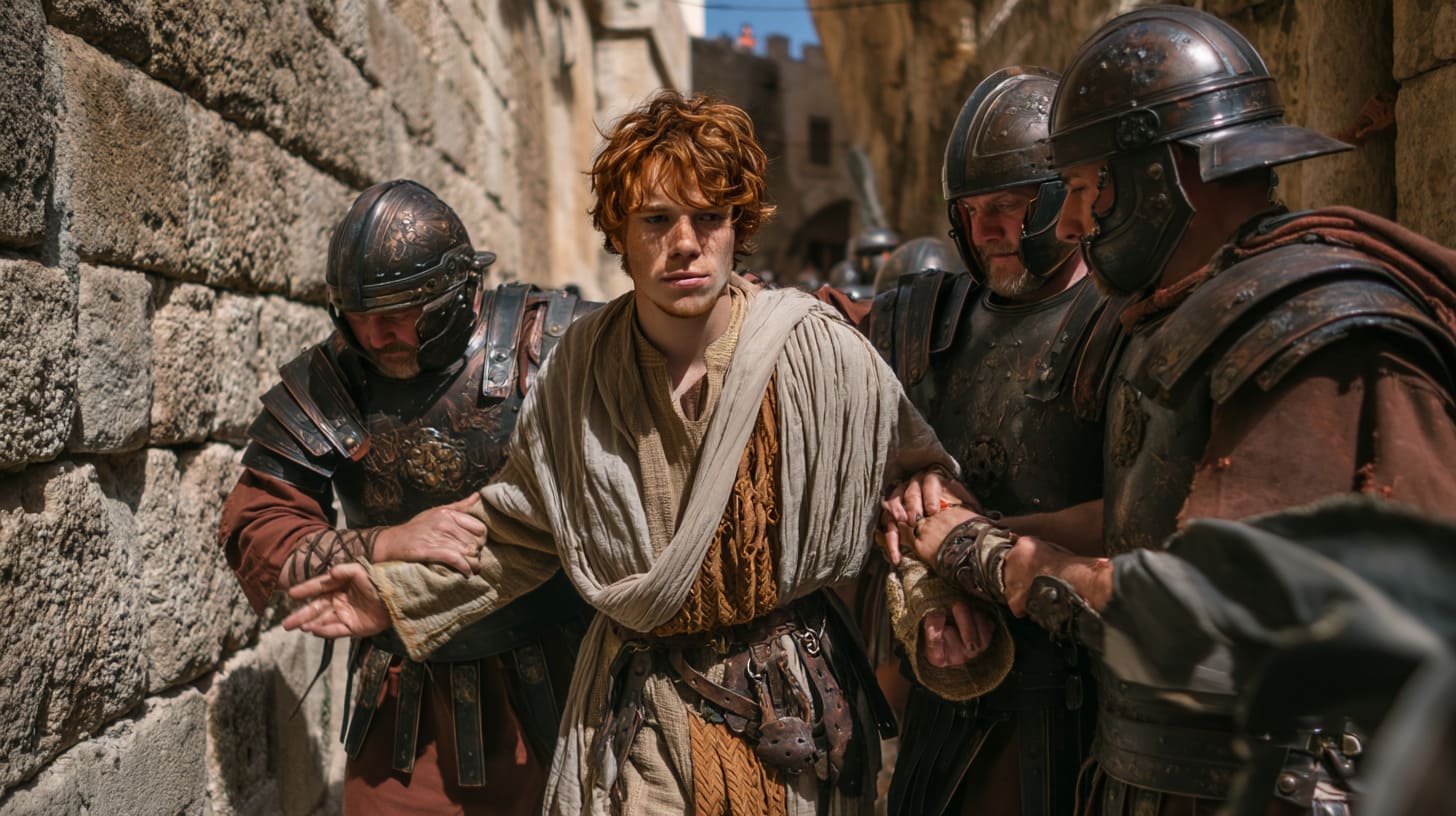
Eventually, inevitably, the authorities came for him.
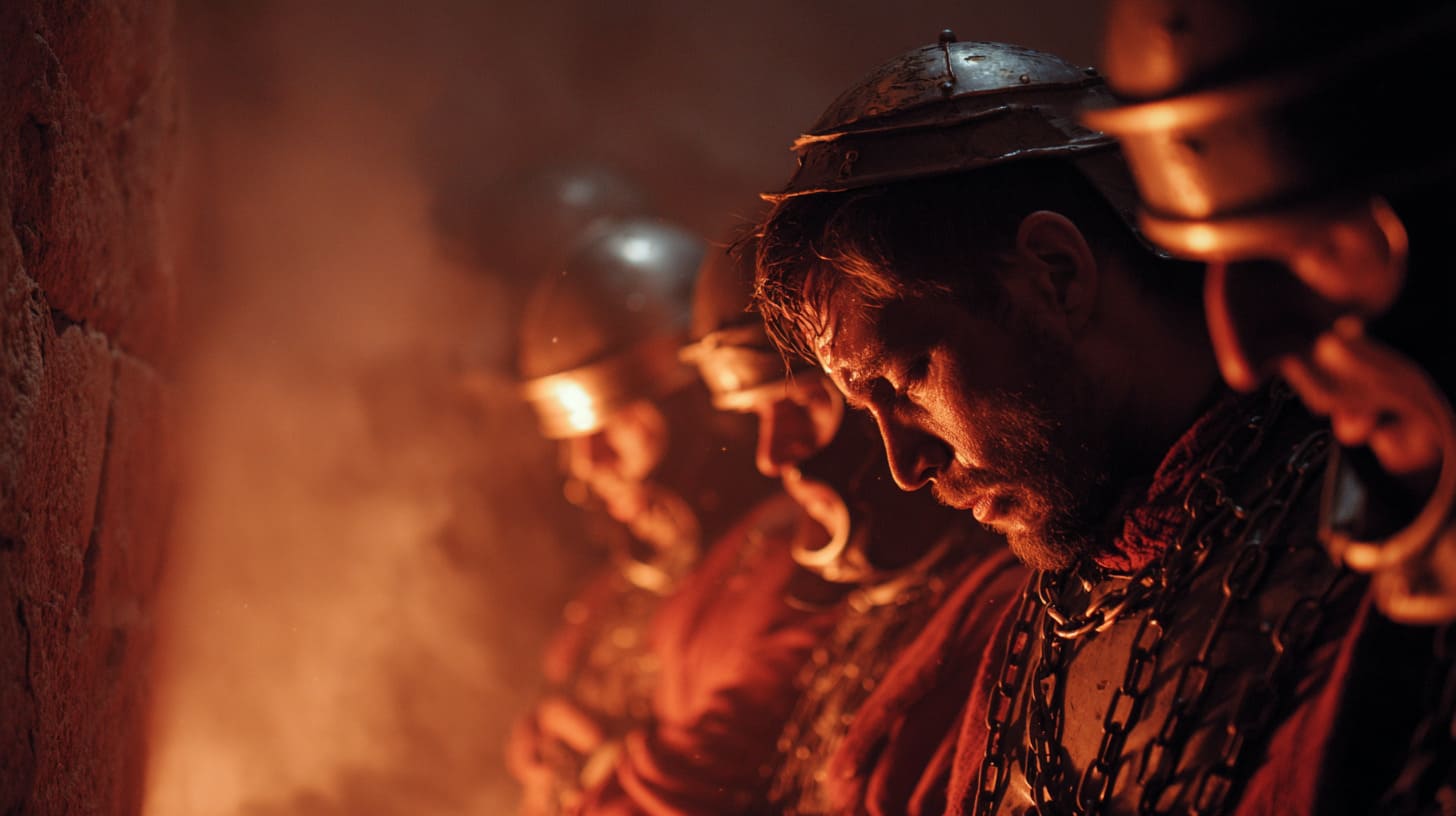
He was arrested. The inheritance he'd used to save those three daughters was confiscated by Rome. And he was thrown into overcrowded Roman cells where criminals and political enemies were stacked together like cordwood.
The early writers say he was tortured. He was deprived of sleep, food, and warmth. Beaten until his body became a map of Rome's fury.
Church history tells us that, in that darkness, Nicholas begins to sing Psalm 27: "The Lord is my light and my salvation—whom shall I fear?"
His voice rises through the cell block. And then something remarkable happens.
A chorus joins him. Other believers, scattered through the prison, begin singing the same Psalm. Then another. Then another.
Worship was their rebellion.
Worship was a declaration that just because they were in chains, it didn’t mean they could steal their freedom!
Nicholas endures persecution, but it leaves a permanent mark on him.
You don't emerge from Roman dungeons the same person who walked in.

In a swirl of military victories and political upheaval that no one saw coming, history shifts on its axis.
Constantine takes the throne.
He’s unlike any emperor Rome has seen before. He claims to have seen a vision of the cross right before he became emperor. He gives his life to Jesus. And Rome is completely flipped upside-down.
In AD 313, he issued the Edict of Milan, which legalized Christianity across the empire and halted the persecution.
Across the Roman world, prison doors creak open. Chains fall to stone floors with dull clangs. Thin, wounded saints limp back into daylight, blinking against the sun they thought they'd never see again.
Among them was Nicholas of Myra.
He emerges gaunt, scarred, and physically weakened. But he was spiritually fierce.
The believers of Myra gather around him, weeping over their long-lost pastor.
Soon after his release, Nicholas is chosen as Bishop of Myra.
Not for his charisma… prison took care of that.
Not for his wealth… Rome confiscated it.
Not for his eloquence or his political connections or his family name.
He became Bishop of Myra because suffering had shaped him into a shepherd who would never, ever abandon his flock.
He leads a church crawling out of the catacombs. He teaches them that worship is worth chains. That Jesus is worth everything. That empires rise and fall, but the kingdom of Christ stands forever.
Check them out before anyone else by going to our channel at PRAY.COM
Plus, you'll find more resources to build your faith, right from your phone.

Near the temples of the forgotten Greek and Roman gods, Christianity spreads.
Nicholas is given the name Thaumaturgos, "The Wonderworker."
His name begins to take on a legendary quality. Sailors invoke his name to stop storms, and prisoners cry out to him to save them from unjust punishment.
Join us tomorrow, and we’ll unpack it all with some cinematic flair!