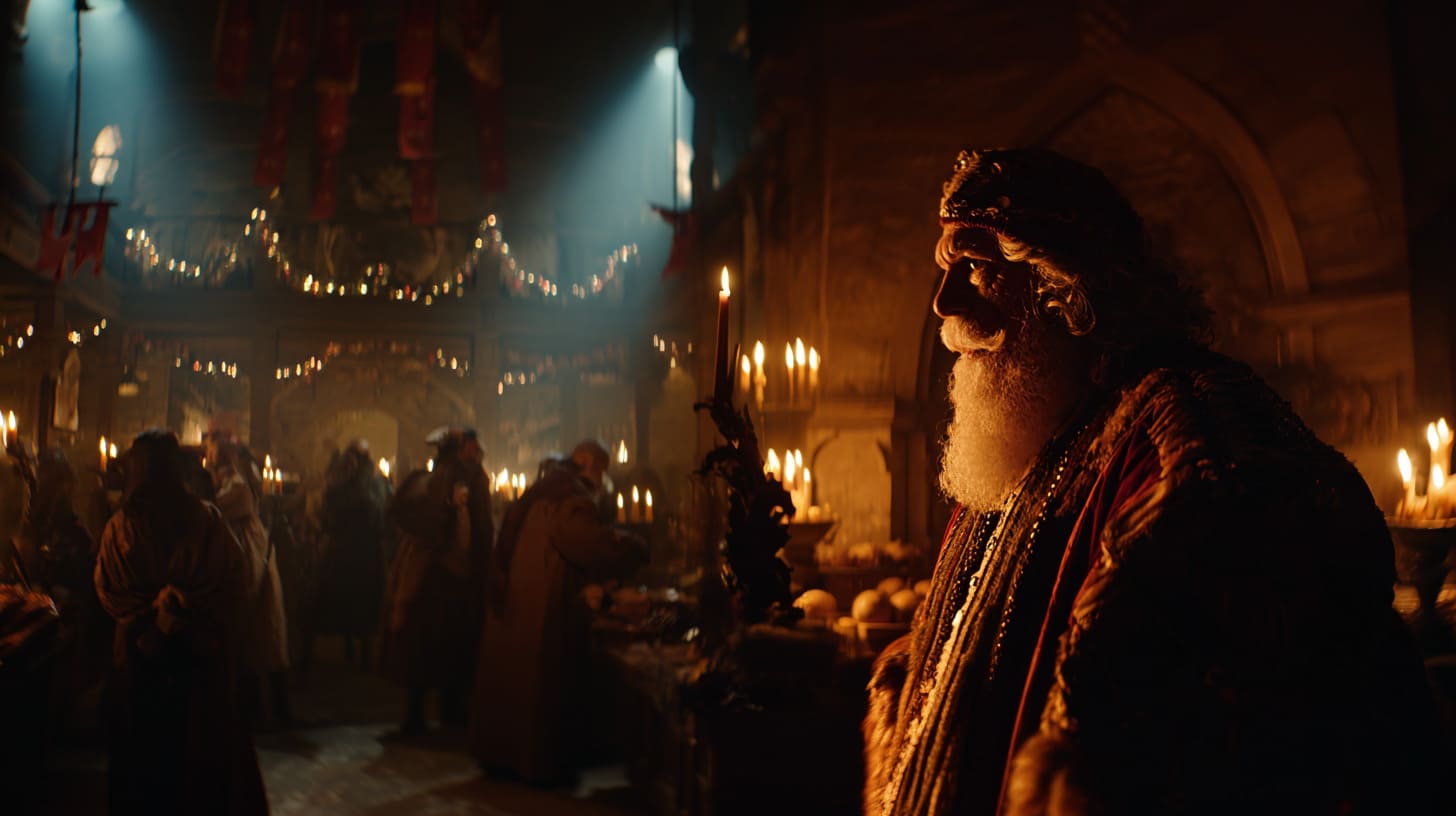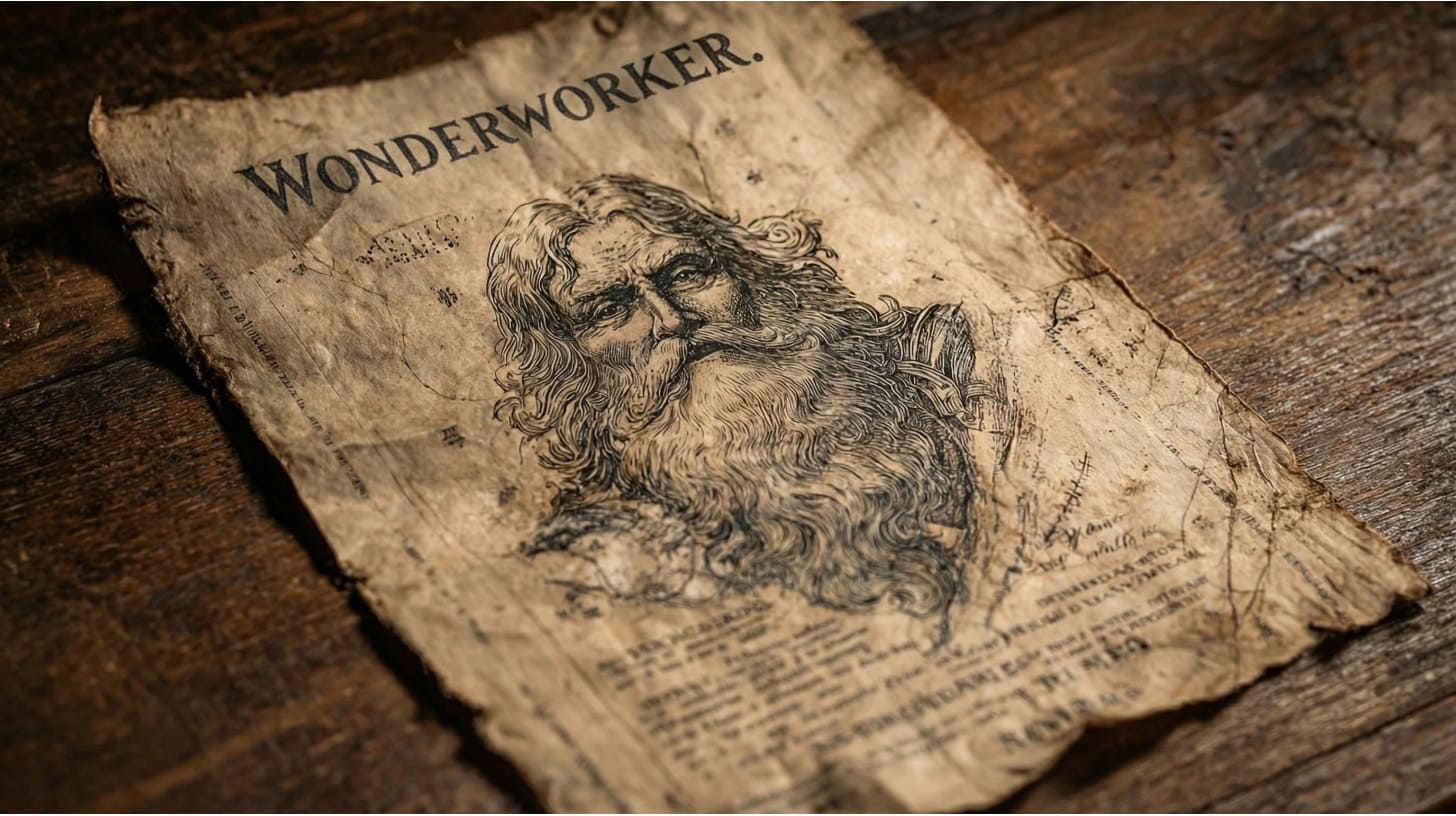
Nicholas of Myra carried a title the early church reserved only for the few who seemed to operate on the edge of heaven: Thaumaturgos, "The Wonderworker."
Not "The Nice Guy Who Gave Presents."
Not "The Patron Saint of Christmas Shopping."
The Wonderworker.
The world Nicholas lived in was violent, corrupt, and spiritually volatile.
And yet story after story—preserved in the earliest Greek vitae, painted on Byzantine icons, sung in ancient liturgies—describes Nicholas as a man whose very presence seemed to shift the atmosphere from death to life.
Some of these stories carry legendary coloring, passed down through generations of awestruck believers.
Others appear in multiple independent sources across centuries and cultures, suggesting deep historical memory.
All of them reveal how Nicholas became one of the most beloved, most invoked, most trusted figures in all of Christian history.
Long before anyone thought to reward him with milk and cookies.

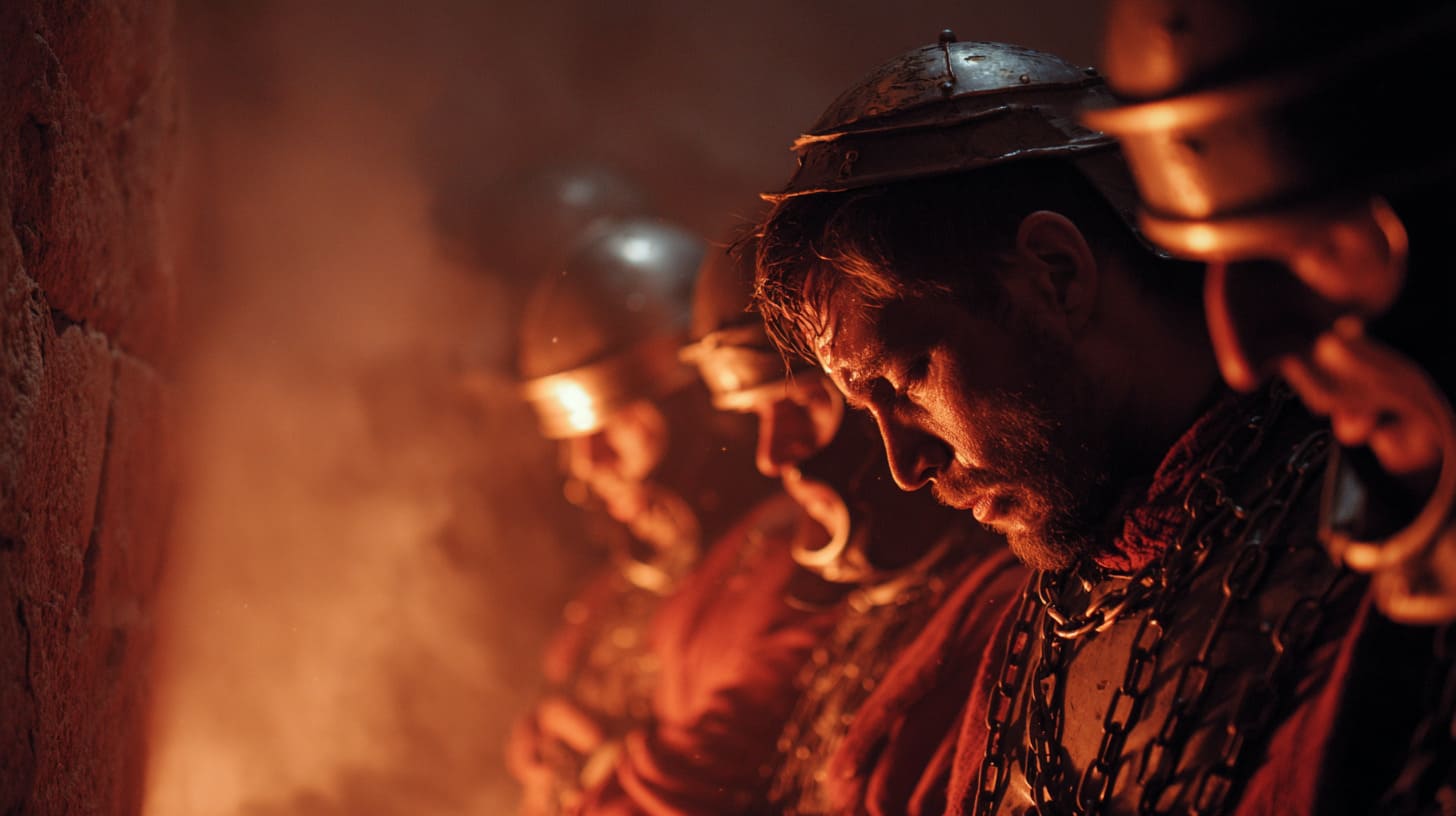
One of the oldest and most widespread stories in Christian tradition tells of three innocent men condemned to execution by a corrupt governor.
Falsely accused. Framed through bribery. No defense. No appeal.
As the executioner raised his sword for the killing blow, good ol’ Nicholas stormed into the execution yard.
He grabbed the executioner's sword mid-swing and shouted with a voice that froze everyone in place: "Innocent blood cries out to God! And I will not allow you to spill it!"
The crowd gasped. The executioner stepped back. The governor's face flushed with rage.
Nicholas didn't care.
He exposed the bribery behind the sentencing right there in the square, rebuked the governor publicly, shamed the corruption, and freed the prisoners with imperial officials watching.
This event appears in Byzantine mosaics that are centuries old. They can also be seen in medieval frescoes across Europe and in countless Eastern Orthodox icons still venerated today.
The church remembered Nicholas as a bishop who would physically throw himself between evil and the powerless.

A severe famine struck the region of Lycia.
People starved. Children died in their mothers' arms. The wealthy locked their storehouses and hoarded grain while the poor clawed at locked doors.
The aged Nicholas walked to the harbor, approaching a Roman grain ship carrying imperial stores bound for Constantinople.
He asked the sailors for food… They refused.
Not because they were cruel or heartless, but because the grain was counted and sealed. Every measure accounted for. Any loss would mean their execution upon reaching the capital.
Nicholas looked at them and said, "Give. You will suffer no loss."
Something in his voice convinced them. Trusting him, the sailors unloaded enough grain to save the entire region. Sacks upon sacks. Enough to feed thousands. Enough to pull Lycia back from the edge of mass death.
Months later, when they delivered the shipment to Constantinople, the officials opened the storage bins to count the grain.
Exactly full. Not a measure missing. Not a single kernel unaccounted for.
Check them out before anyone else by going to our channel at PRAY.COM
Plus, you'll find more resources to build your faith, right from your phone.

This story was embraced so widely that Nicholas became the patron saint of sailors for over a thousand years.
There’s even an account of mariners who were caught in a deadly storm. They saw a vision of Saint Nicholas, and immediately the storm quelled.
Sailors prayed to the God of Nicholas for centuries, invoking his name in storms, painting his icon on their masts, trusting that the Wonderworker would intercede.
Mind you, this was long before anyone hung stockings on chimneys.