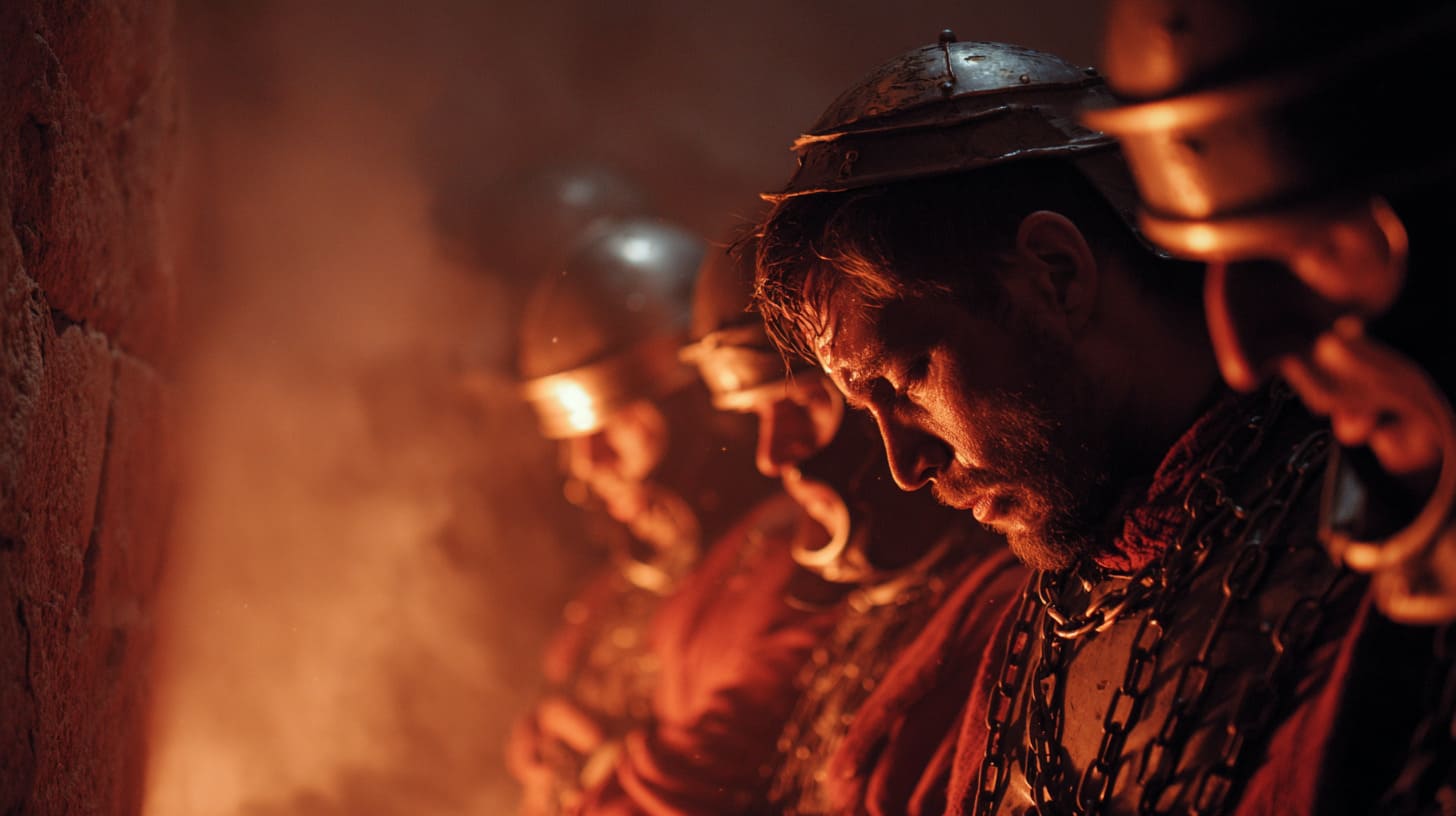
When Nicholas of Myra died in the mid-4th century, no one could have guessed that this prison-weathered bishop would one day become the most recognized figure on earth.
Not Caesar. Not Alexander. Not any king or conqueror.
Nicholas.
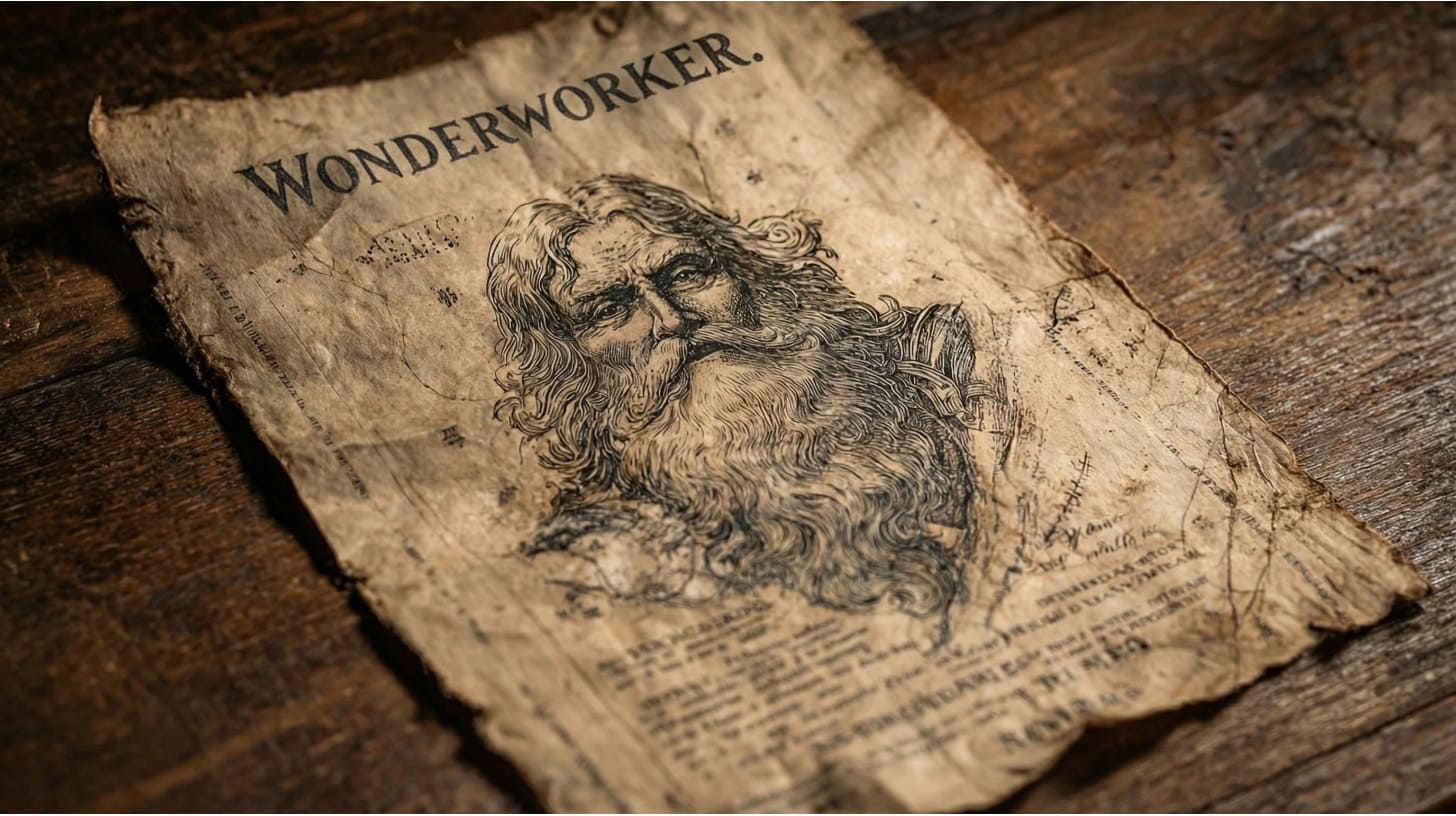
The wonderworker. The heretic-slapper. The storm-calmer. The midnight rescuer.
But legends have a way of outgrowing their borders, don't they?
The legend of Saint Nicholas exploded across continents, cultures, and centuries.
And although the story of Saint Nick evolved over time, it never quite lost the heart of the original man.

Nicholas was buried in Myra, the city he served so fiercely for decades. And then something strange started happening.
Pilgrims reported a fragrant liquid—called myron—seeping from his tomb. Not the smell of decay or moisture. But a sweet-smelling oil that seemed to flow continuously.
Some even claimed that the liquid had healing properties. People traveled across continents just to touch a vial of it. To pray beside his grave. To ask for his intercession.
Whether you call it a miracle or a hoax, the impact was undeniable: even in death, Nicholas's compassion continued to flow.
His grave became a pilgrimage site. A place of hope for the wounded, the sick, and the desperate who had nowhere else to turn.
His reputation as a thaumaturgos, a wonderworker, only grew stronger with each passing generation.
The world couldn't forget him

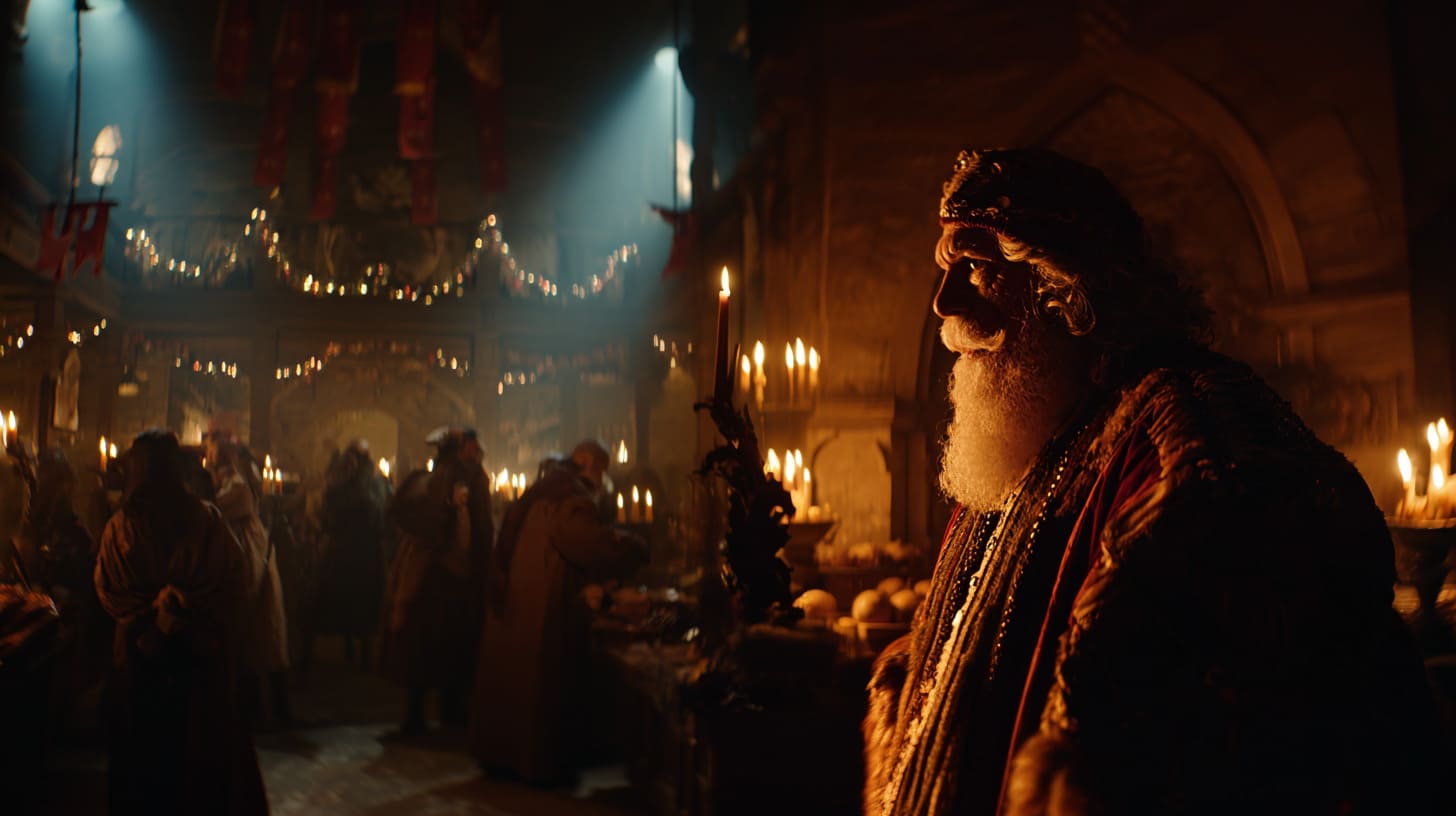
By the medieval era, Nicholas was everywhere.
He was:
The Patron Saint of sailors.
The Patron Saint of merchants.
The Patron Saint of children.
The Patron of prisoners.
He was honored in paintings, hymns, sagas, liturgies, and legends from Ireland to Ethiopia, from Russia to Spain
There were more than 2,000 churches dedicated to him across Christendom. More shrines. More stories. More celebrations than nearly any saint in history, second only to the Virgin Mary herself.
Centuries later, Nicholas made a surprising journey.
Dutch Christians carried his story across the sea to the New World.
In America, his legend merged with Norse midwinter tales of gift-bringing spirits. This led to him being tied in with European traditions of secret generosity during the darkest nights.
Then, in 1823, a poet named Clement Clarke Moore wrote a simple poem for his children: "'Twas the night before Christmas..."
And just like that, the bishop of Myra was wrapped in velvet, placed on a sleigh, given flying reindeer, and launched into a new kind of immortality.
Nicholas became "Santa Claus." Jolly, round, magical, safe.
And for a long time, I think we forgot who he really was.
Check them out before anyone else by going to our channel at PRAY.COM
Plus, you'll find more resources to build your faith, right from your phone.

The world needed a symbol of generous joy, selfless love, and hope in the darkness. They found it in Saint Nicholas… But it shouldn’t end there, my friends.
Why was Nicholas so moved to help those three daughters? Why did he move to protect the vulnerable? Why was he imprisoned?
Saint Nicholas was passionate about Jesus! The Spirit of God moved him toward love, joy, peace, patience, kindness, goodness, and (sometimes) self-control.
I bet you Nicholas would love to have his legacy tied to the incarnation of Christ in celebrating his birth.
But I also bet you he would roll in his oddly fragrant grave if he knew just how much we had diminished the true meaning of Christmas.
Before you storm the stores.
Before you turn on Mariah Carey.
Before you write letters to Santa.
Consider Christ. Consider the cost of truly following him. And pray to God that you can live with the same passion as Santa Claus.