Come, lad! Sit on Papa’s lap and let me tell you about the time Santa punched a heretic square in the jaw!
Except this was before he was "Santa."
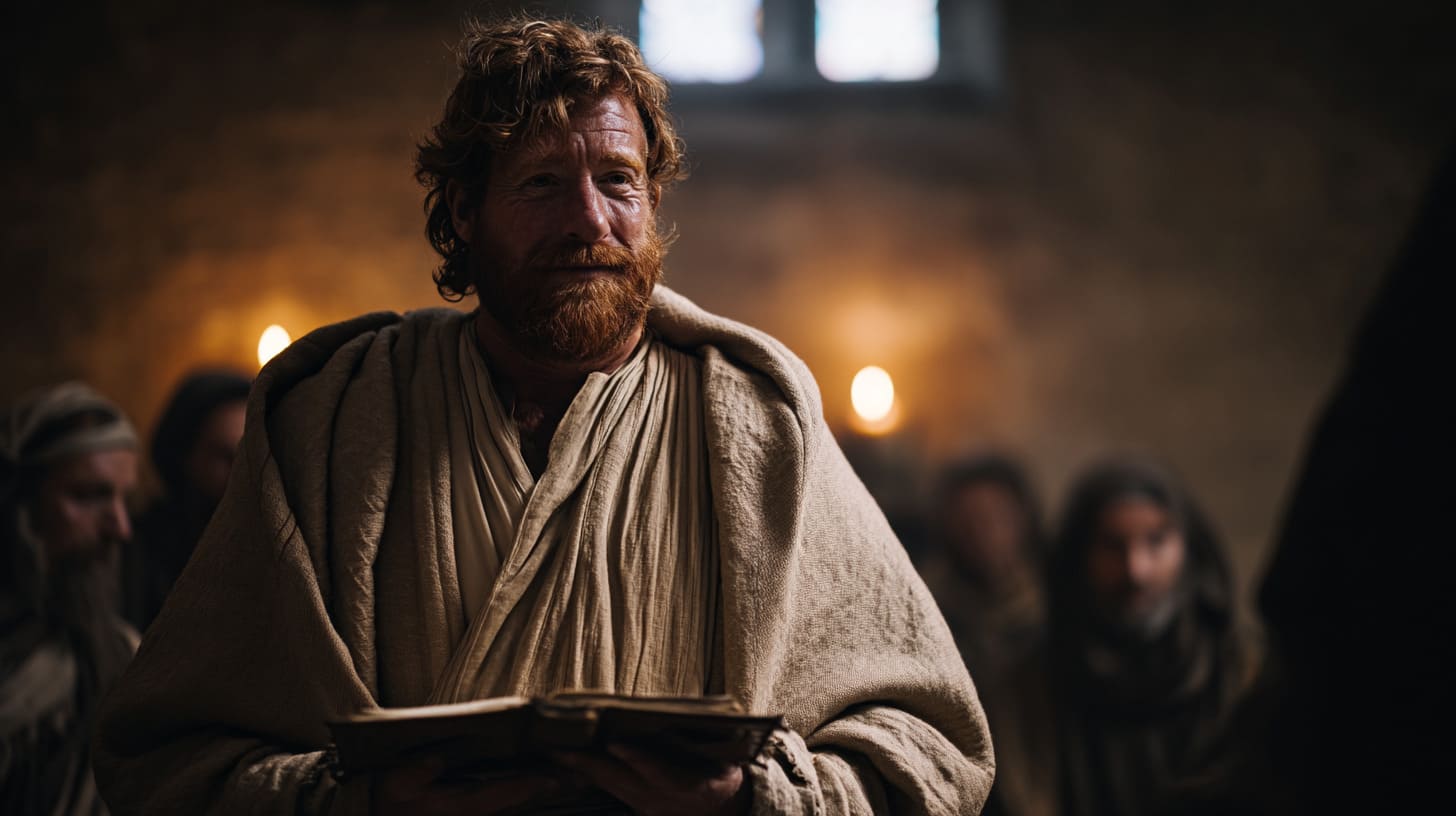
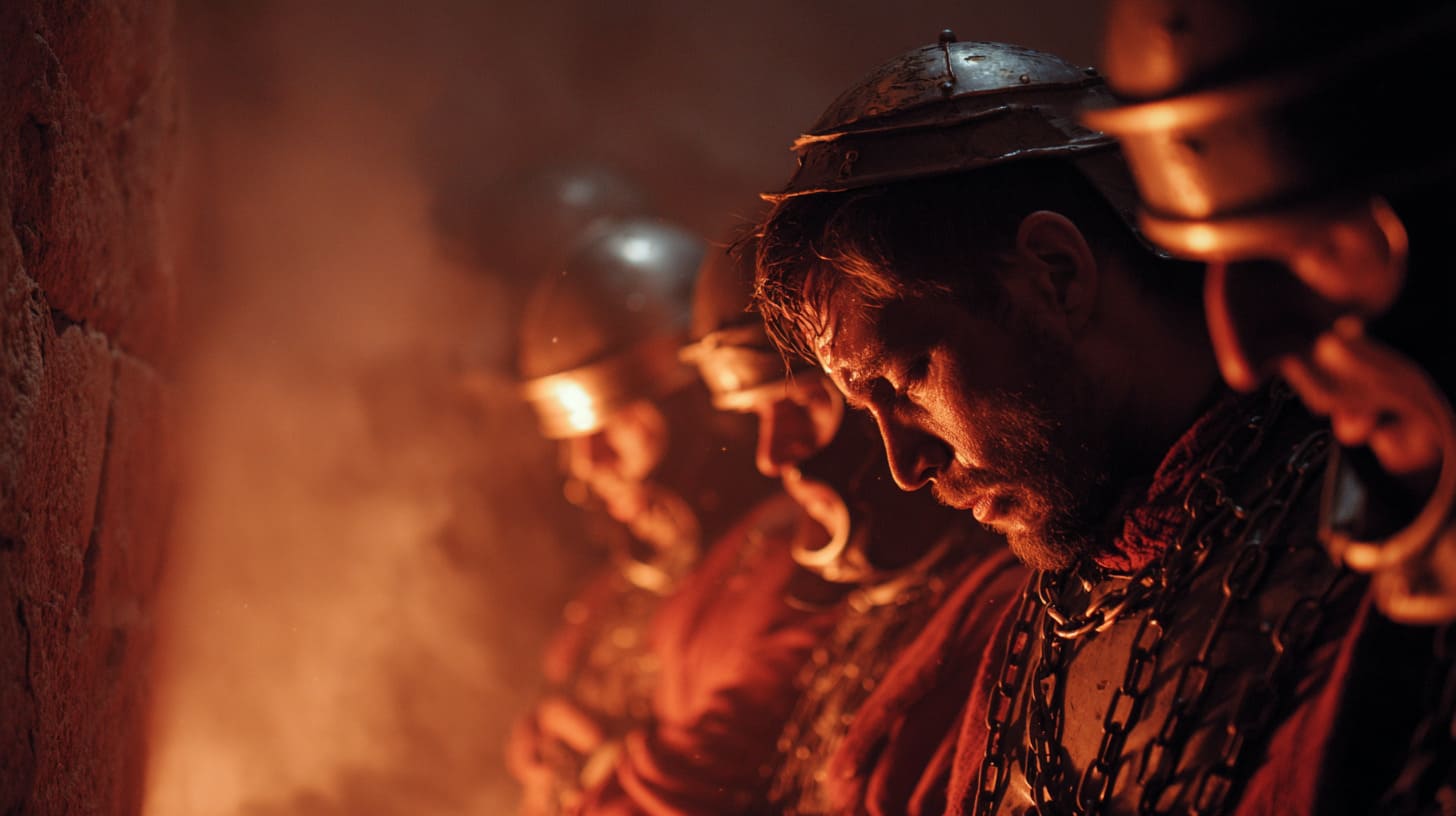
He was Nicholas, Bishop of Myra, scarred from Roman prisons, beloved by the poor, feared by the corrupt.
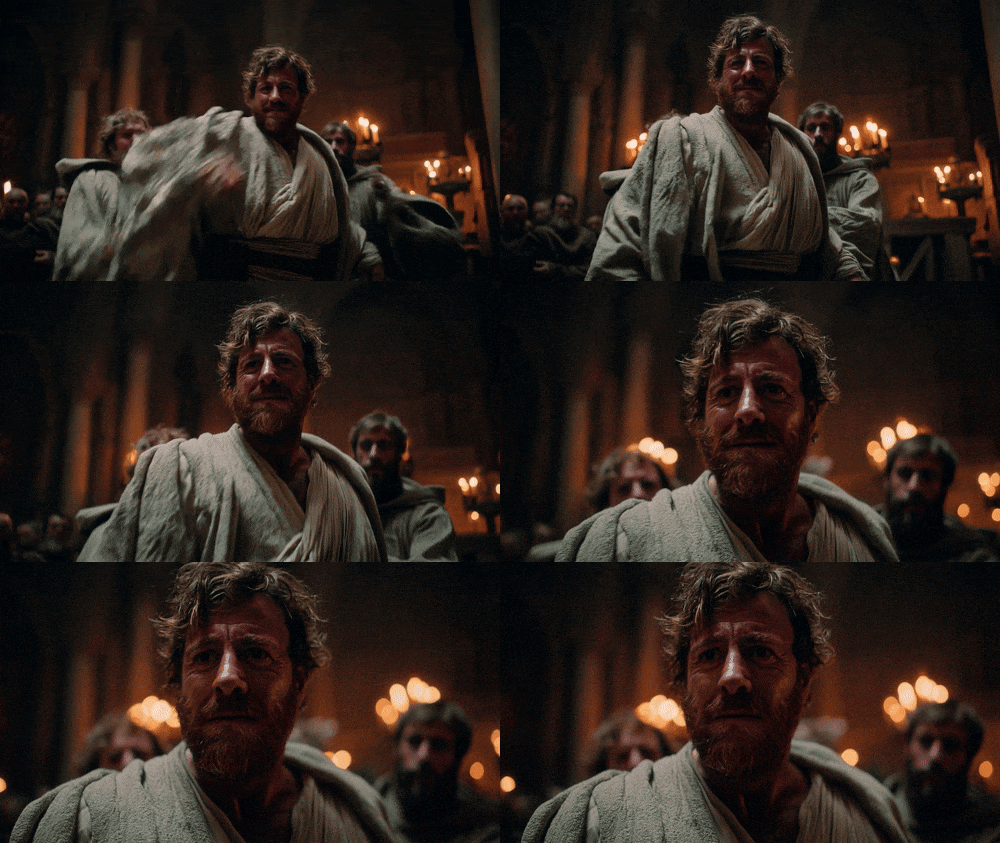
And at the most important theological gathering in Christian history, surrounded by bishops and emperors and the fate of the gospel hanging in the balance… He walked across the room and slapped a man.
Not symbolically… Like, Santa actually hit him.
I'm not condoning violence. The early church did not condone violence, either. Even Nicholas probably wasn't sure if he was condoning violence in that moment.
But if you're going to understand the real Nicholas, you need to understand this:
Before he became a symbol of Christmas joy, Nicholas was known as a defender of the divinity of Christ.
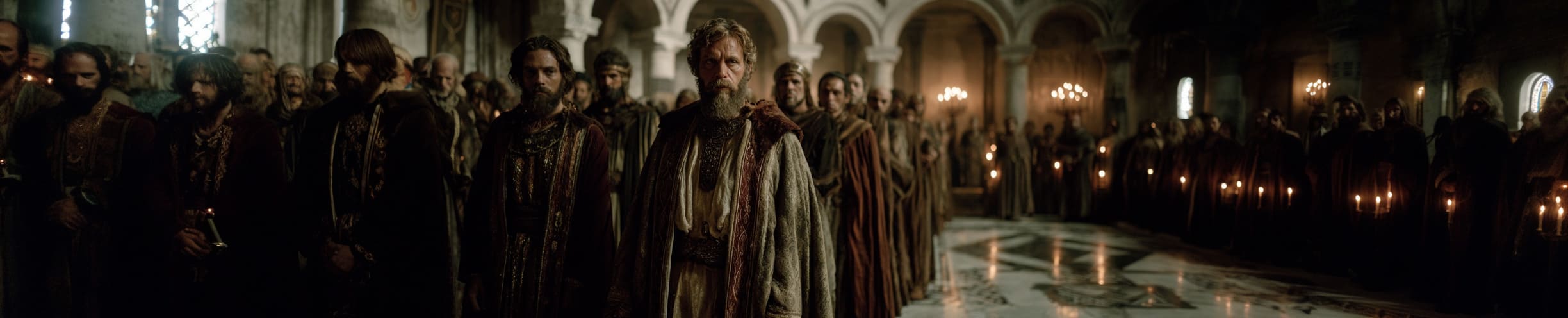
The year is AD 325.
The Roman Empire is divided… not by civil war this time, but by theology.
A charismatic priest named Arius has been teaching a doctrine that sounds reasonable at first but ultimately undermines everything: that Jesus was not fully divine. Not eternal. Not equal with the Father. Arius argued that Jesus was a created being and not God incarnate.
And if Arius is right, the entire Christian faith collapses like a house of cards.
No true incarnation. No true atonement. No bridge between God and humanity. No salvation.
If Arius is correct, Jesus is merely a highly impressive prophet who died and remained dead.
Emperor Constantine, desperate to unify his newly Christian empire, summoned every major church leader from across the known world.
Enter Nicholas.
He arrives at Nicaea not as "Santa," with a bag of toys and a jolly laugh, but as a battle-tested shepherd passionate about Jesus.
Ol’ Nick has survived Diocletian's dungeons. He’s not afraid to tussle with a few heretics.
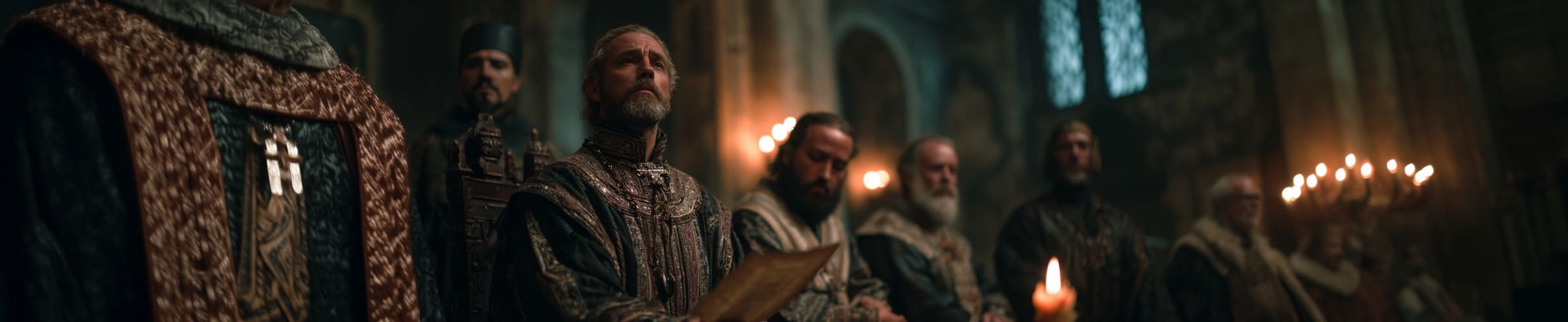
The council of Nicaea begins, and Arius takes the floor.
The man could talk. He argues brilliantly. Persuasively. Dangerously. He quotes Scripture. He appeals to reason. He makes it sound like he's defending God's transcendence and protecting divine mystery.
Nicholas listens. His jaw clenches. His hands grip the armrests of his chair.
Nicholas understands exactly what's happening: A diminished Christ means a diminished gospel.
If Jesus isn't fully God, then His death on the cross means nothing for our salvation. If Jesus isn't eternal, then redemption is just wishful thinking.
The moment Arius suggests that the Son of God is somehow less than the Father, Nicholas has heard enough.
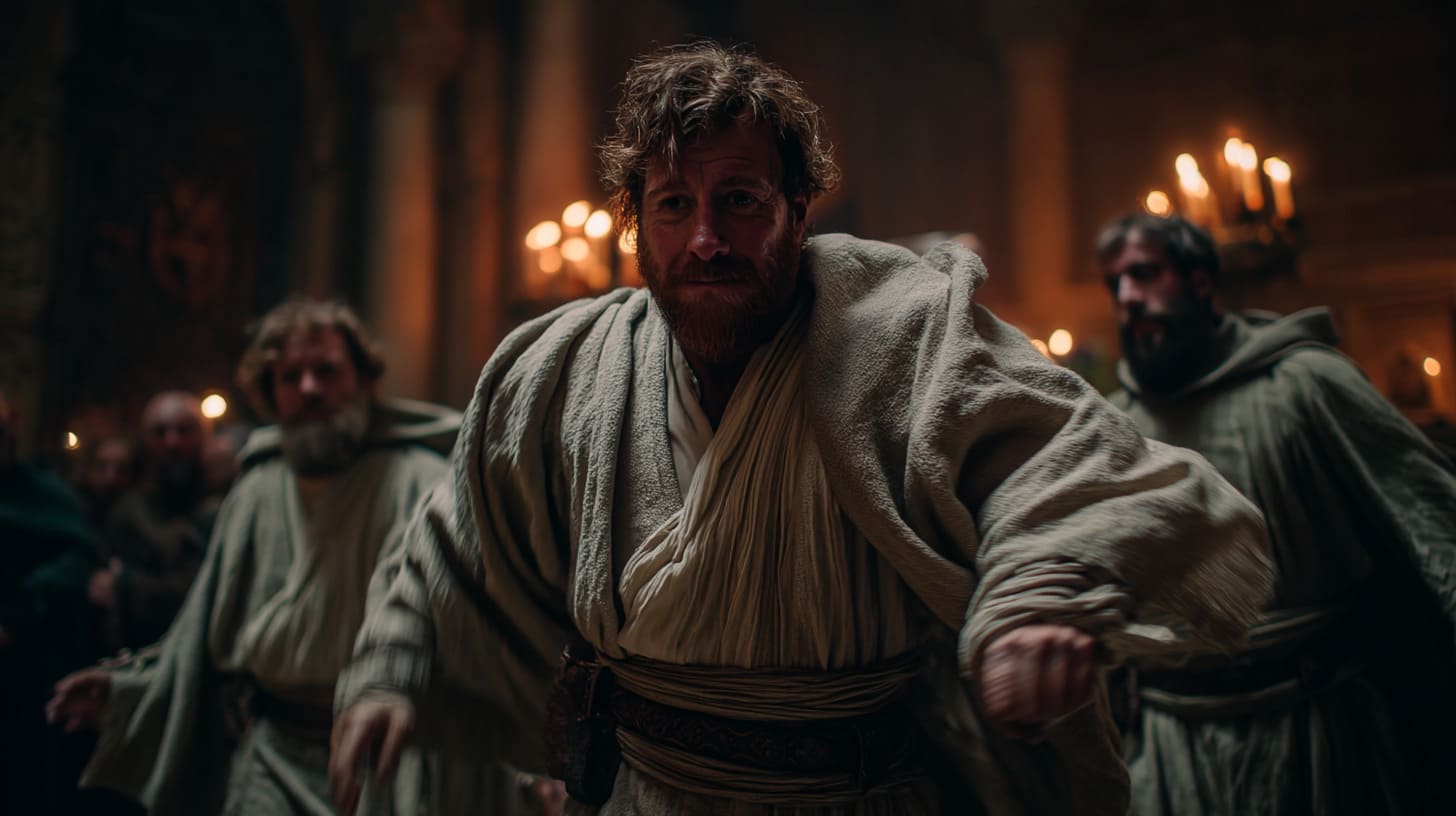
He stands, walks across the chamber… and slaps Arius right across the face.
The hall erupts.
Gasps. Shouts. Bishops jumping to their feet. Shock rippling through the council like a shockwave.
Constantine's jaw hit the floor. Because you don't just hit people at ecumenical councils. That's not how theology works. That's not how anything works.
But here's what you need to understand about Nicholas in that moment… To him, none of this was political or a vie for power. Nor was this the impulsive rage of an old man.
Nicholas had survived torture for the sake of this gospel. Had sung psalms in chains for this truth. Had risked execution rather than deny this Jesus.
And he wasn't about to sit quietly while someone stripped Christ of His glory with smooth words and bad theology.
Was it the right response? Debatable.
Was it Nicholas's response? Absolutely.
Check them out before anyone else by going to our channel at PRAY.COM
Plus, you'll find more resources to build your faith, right from your phone.

Hitting someone at an ecumenical council—especially in front of the emperor—turns out to be... not ideal.
The bishops are furious. They strip Nicholas of his bishop's robes, liturgical stole, and his right to vote in the council
Then they throw him into prison.
That night, according to ancient tradition preserved across centuries, two figures appear to Nicholas in his cell.
Now, I want to be clear… None of this is recorded in any Biblical text. What I’m about to tell you is hearsay.
According to Nicholas (who we know not to be a liar), Christ placed the book of the Gospels in his hands. Then Mary draped his bishop's stole back over his shoulders.
When the guards come the next morning to check on him, they find Nicholas fully clothed in his vestments, holding the Gospel, chains lying open on the floor.
The emperor arrives, sees Nicholas restored by heaven itself, and declares something profound: "If Christ and His Mother have restored this man, no council has the authority to undo Heaven's verdict."
Nicholas is reinstated. Honored. Vindicated.
Look, I'm not saying you should go around slapping heretics.
Church discipline exists for a reason. Councils have processes. Decorum matters.
But here's what Nicholas's explosive moment teaches us: a soft heart for the poor and a fierce heart for the truth are not opposites. They are the same flame.
The Nicholas who gave gold in secret to save three daughters is the same Nicholas who couldn't stay silent when someone diminished Christ.
Gentleness toward the vulnerable and fierceness toward falsehood aren't contradictions. They're two sides of the same love.
Because if Jesus isn't fully God, then the vulnerable have no Savior.
If the incarnation is a myth, then the widow, the orphan, and the oppressed have no hope.
Nicholas understood that defending Christ's divinity was protecting the only foundation that could hold the weight of human suffering.